
Anchoring Economic Diplomacy at a Milestone Event
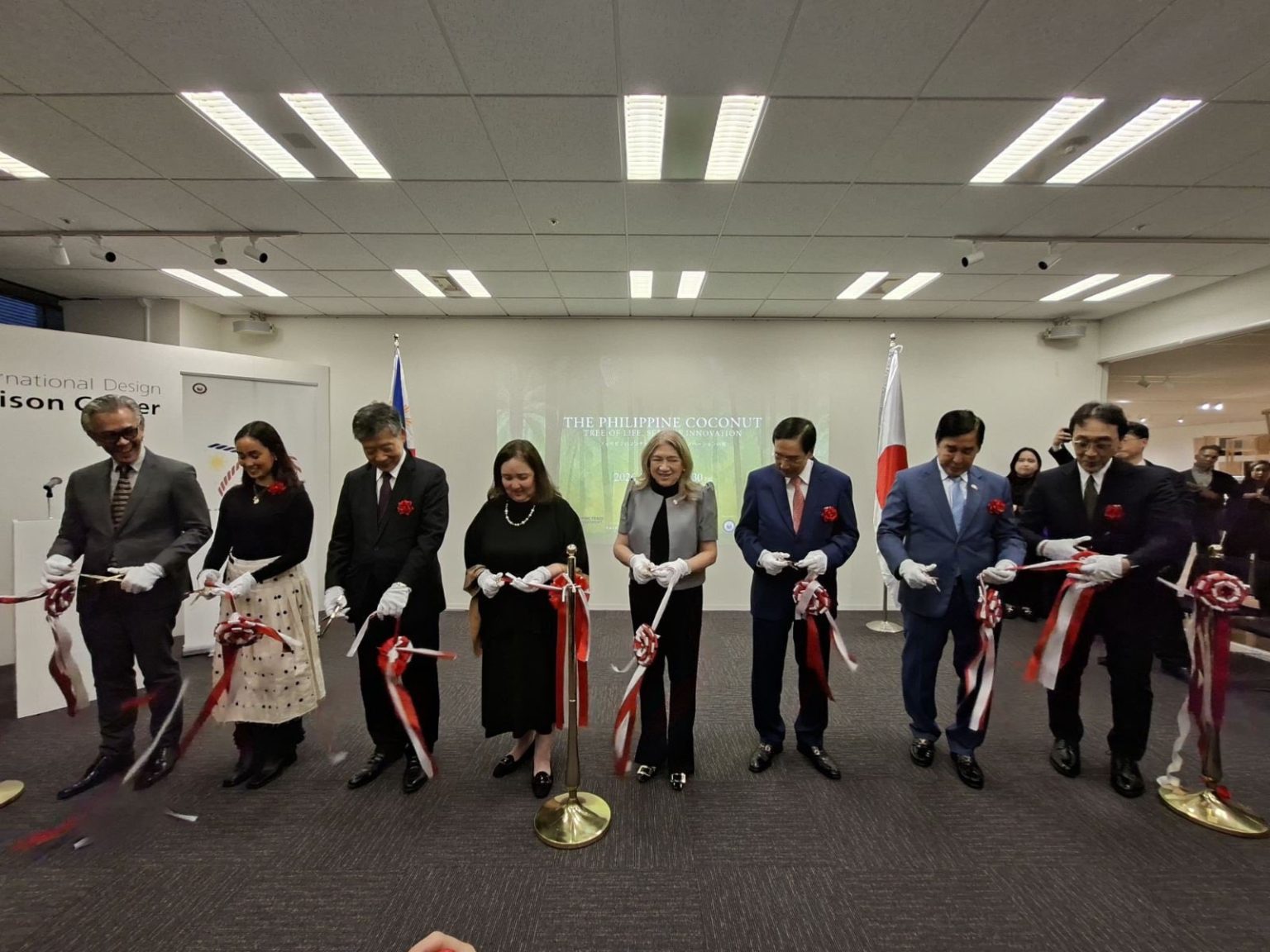
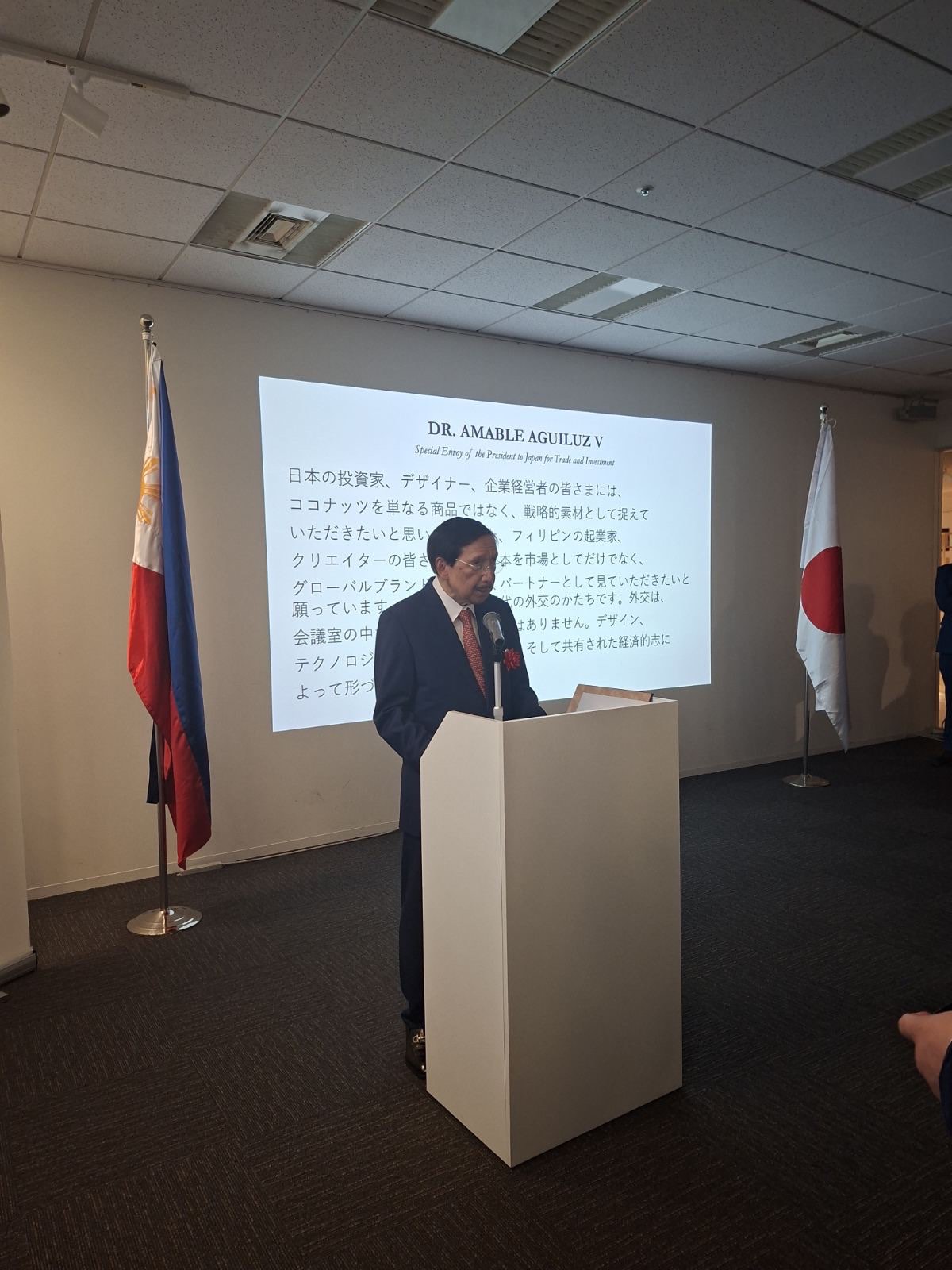
Aguiluz delivered a keynote message at the opening ceremony of "The Philippine Coconut: Tree of Life, Seed of Innovation," an exhibition organized by the Philippine Trade and Investment Center (PTIC) at the Tokyo Midtown Design Hub in Minato City.
The event served as the official kickoff of the 70th anniversary of diplomatic relations between the two countries.
In his remarks, Aguiluz emphasized the natural synergy between Japan's technological leadership and the Philippines' vast coconut resources, positioning the two nations as strategic partners in a high-demand global market.
He highlighted opportunities across the coconut value chain‐from food and beverage to cosmetics, activated carbon, and sustainable materials—while assuring Japanese stakeholders of the Philippine government's commitment to facilitating and protecting foreign investments, in line with President Ferdinand Marcos Jr.'s directive.
Expanding Institutional and Business Engagements
During the mission, Aguiluz met with key institutions that play a pivotal role in ASEAN Japan cooperation, including the ASEAN-Japan Centre, led by Secretary General Kunihiko Hirabayashi, and the Japan Institute for Design Promotion (JIDP), headed by President Hiroyuki Fukano.
Discussions focused on trade promotion, investment facilitation, tourism, and the role of design as a driver of sustainability and economic growth.
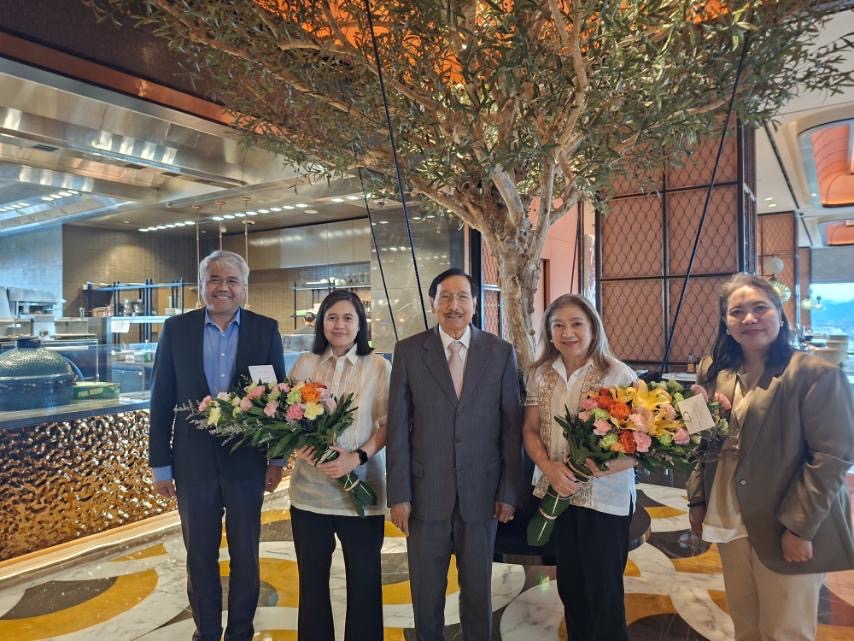
Aguiluz also engaged extensively with Japanese businessmen and investors from a wide range of industries, including manufacturing, retail, shipbuilding, food, design, logistics, and human technology.
Among those he met were senior executives from Itochu Corporation, Tsuneishi Shipbuilding, Uniqlo Philippines, Nitori Co. Ltd., Tamiya Philippines, Nidec Drive Technology, and other firms based in Tokyo, Hiroshima, Nagoya, Kanagawa, Shizuoka, and beyond.
 In these meetings, the Special Envoy presented investment opportunities not only in coconut‐based industries, but also in infrastructure, renewable energy, the digital economy, and manufacturing.
He highlighted the Philippines' improving business climate, skilled workforce, and openness to Japanese capital, while reiterating the government's readiness to assist and protect investors operating in the country.
In these meetings, the Special Envoy presented investment opportunities not only in coconut‐based industries, but also in infrastructure, renewable energy, the digital economy, and manufacturing.
He highlighted the Philippines' improving business climate, skilled workforce, and openness to Japanese capital, while reiterating the government's readiness to assist and protect investors operating in the country.
Addressing Investor Concerns Through Inter-Agency Action
Beyond promotion, Aguiluz took a hands-on role in resolving specific investor concerns. Following meetings in Japan in mid-2025, he facilitated high-level coordination between Japanese firm Itochu Corporation, its Philippine subsidiary DOLE Philippines, and key government agencies regarding VAT refund issues with the Bureau of Internal Revenue.
Upon returning to Manila, Aguiluz worked closely with the Department of Trade and Industry to convene meetings involving the BIR, PTIC Tokyo, and company representatives.
He recommended exploring compromise settlements to avoid prolonged litigation at the Court of Tax Appeals and the Supreme Court‐an approach that was received positively by Japanese executives and Philippine authorities alike.
Historic and Humanitarian Breakthroughs
One of the most significant outcomes of Aguiluz's tenure has been progress on long standing historical and humanitarian issues.
Through his initiative, the Department of the Interior and Local Government‐together with multiple government agencies‐signed a memorandum of agreement to finally implement the repatriation of the remains of Japanese soldiers who perished in the Philippines during World War II. The issue, long delayed, carries deep emotional and diplomatic importance for Japan.
Aguiluz also intervened in the plight of Nikkei‐jin, or Japanese descendants in the Philippines, many of whom faced millions of pesos in penalties due to overstaying.
In coordination with the Bureau of Immigration and with approval from the Secretary of Justice, arrangements were made to defer these penalties, enabling affected individuals to travel to Japan and reconnect with their heritage.
Advocacy for Overseas Filipino Workers
The Special Envoy further expanded his role to include advocacy for overseas Filipino workers in Japan. In discussions with legal practitioners and Philippine officials, Aguiluz explored mechanisms to provide free legal consultations‐particularly on divorce and family law matters‐for OFWs.
Working in line with initiatives supported by Ambassador Mylene J. Garcia‐Albano, Aguiluz proposed a framework whereby Filipino lawyers practicing in Japan could render pro bono services, with such consultations credited against compliance requirements imposed by the Philippine Supreme Court, subject to Unified Legal Aid Service guidelines.
Coordinated Diplomacy and Forward Momentum
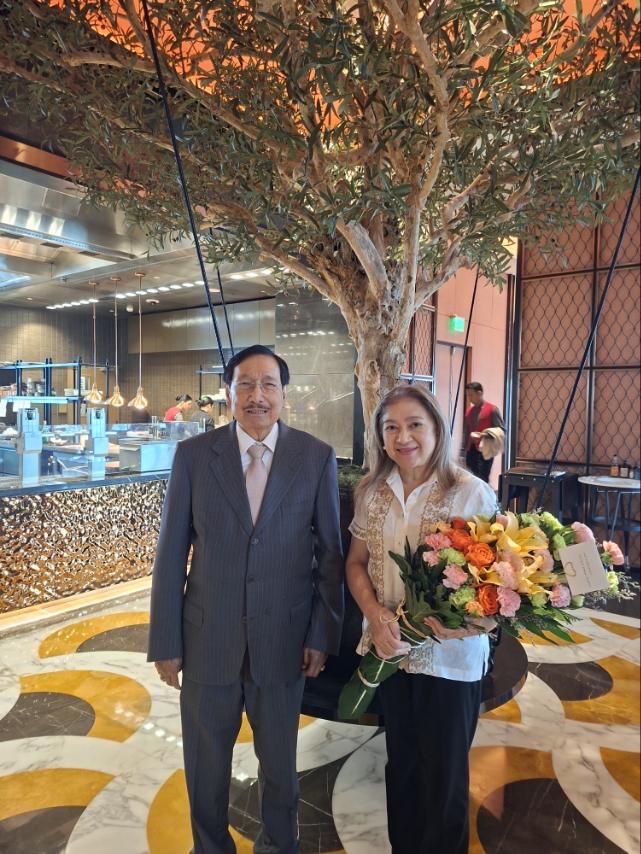
Aguiluz also met with fellow special envoys and ambassadors based in Tokyo, underscoring the importance of coordination, information sharing, and joint engagement in promoting Philippine interests abroad. He reaffirmed his commitment to working closely with the Philippine Embassy in Tokyo and other government agencies, in accordance with the terms of reference of his appointment.
Taken together, Aguiluz's Japan mission reflects a form of diplomacy that goes beyond ceremonial engagements one that removes barriers, resolves legacy issues, and builds investor confidence through concrete action.
As bilateral relations continue to deepen, his work illustrates how economic diplomacy, when paired with empathy and institutional coordination, can serve both national growth and human interest.